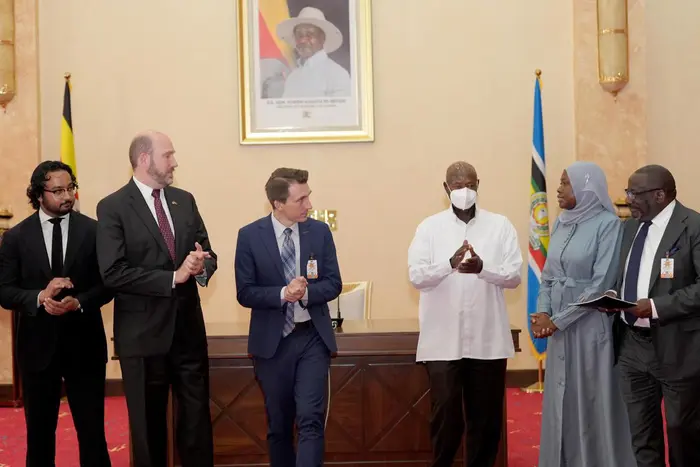
The agreement officially clears Starlink to begin offering satellite internet services across Uganda, including rural and hard-to-reach communities where reliable internet access has remained a challenge for years.
In a message shared on X, President Museveni described the signing as an important step toward the start of Starlink’s operations in the country.
“Our interest is security, revenue assurance, and proper accountability within the telecommunications sector so that we know who is operating and who the customers are,” Museveni said.
The President added that he was pleased Starlink had agreed to comply with Uganda’s laws and regulatory requirements before starting service delivery.
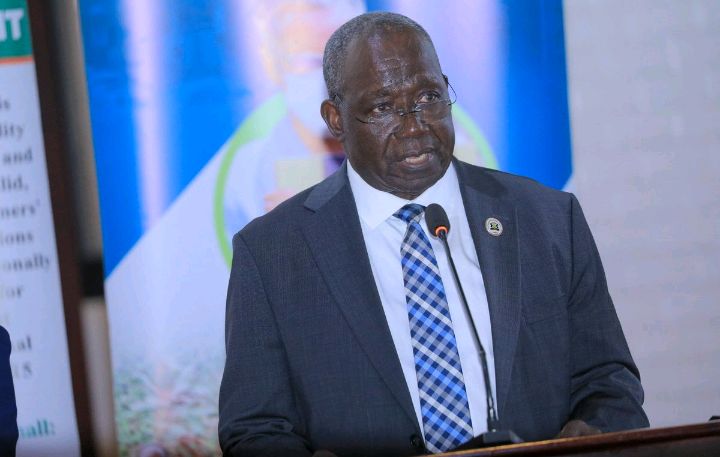
The development follows earlier comments made by Uganda’s Permanent Representative to the United Nations, Adonia Ayebare, who revealed in April that discussions were ongoing to bring Starlink services to Uganda.
Speaking during an interview on UBC TV, Ayebare said the satellite internet service would help expand connectivity across the country and improve access to digital services in education, healthcare, and business.
“We’re about to get Starlink here, which is satellite internet that will cover the whole country, and that will contribute immensely to economic development, education, and health,” he said.
He explained that many schools already have computers but still lack internet access, while health centres in remote districts continue to struggle with poor connectivity. According to Ayebare, Starlink’s technology could help bridge that gap and support digital growth in underserved areas.
Owned by SpaceX, Starlink uses low-earth orbit satellites to provide broadband internet services. The technology is considered useful in regions where fibre-optic cables and traditional mobile internet infrastructure are difficult or expensive to extend.
Uganda now joins several African countries, including Kenya, Rwanda, and Nigeria, which have already licensed or partnered with Starlink to improve internet access.
Government officials believe the arrival of the service could open more opportunities for online businesses, remote learning, innovation, and access to digital services across Uganda.