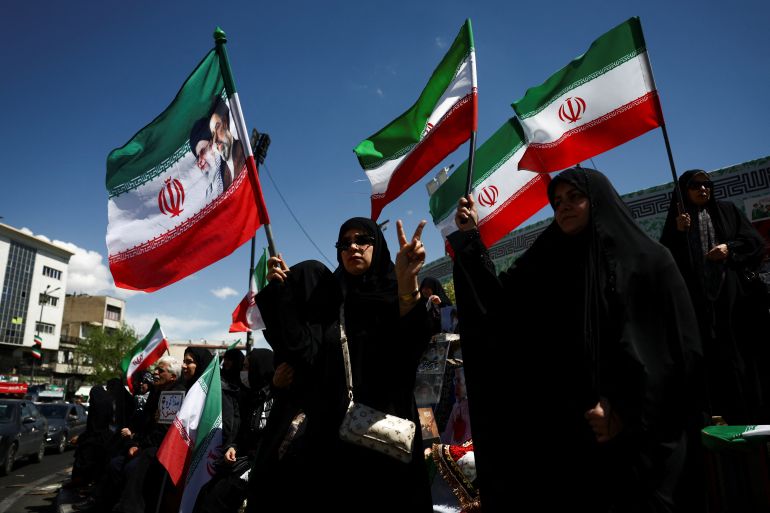
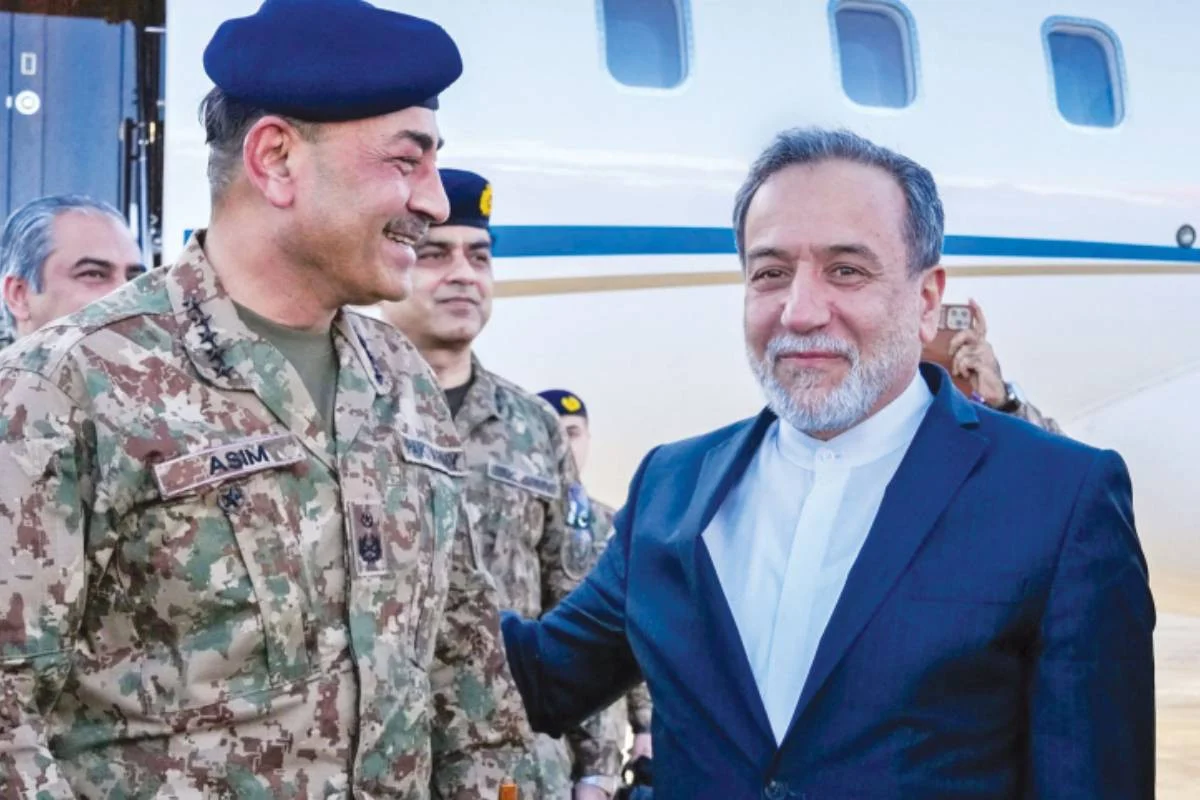
Speaking during a visit to New Delhi on Friday, Iranian Foreign Minister Abbas Araghchi said deep mistrust toward Washington remains one of the biggest barriers to progress between the two countries.
“We are not sure whether the United States is genuinely seeking a balanced agreement or pursuing other objectives,” Araghchi said, stressing that Iran would only continue talks if they are based on fairness and mutual respect.
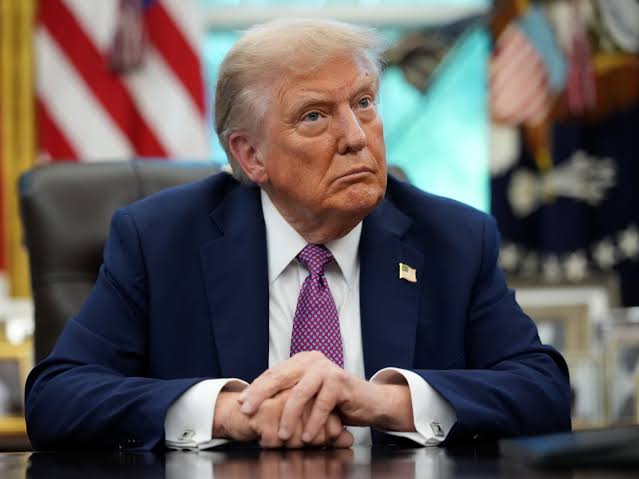
His remarks followed recent comments by US President Donald Trump, who dismissed Iran’s latest proposal as “garbage. ” Tehran is believed to have offered limited concessions linked to its nuclear activities, but Trump has continued to demand that Iran completely abandon its stockpile of highly enriched uranium.
Washington and its allies argue that Iran’s uranium program could eventually be used to develop nuclear weapons. Iran has repeatedly denied the accusation, insisting that its nuclear activities are strictly for peaceful and civilian purposes.
Although a ceasefire remains in place, negotiations between Tehran and Washington have made little progress. The deadlock has continued to worry global markets, especially because of Iran’s strategic position along the Strait of Hormuz one of the world’s busiest oil shipping routes.
The waterway is critical to global energy supplies, and any disruption there could affect fuel prices and international trade. Reports indicate that both the United States and Iran continue to maintain a strong military presence around the area.
During recent discussions, Trump and Chinese President Xi Jinping reportedly agreed that commercial shipping through the Strait of Hormuz should continue without interruption.
Iran also signaled that it would welcome diplomatic support from China. Araghchi praised Beijing’s previous role in helping restore relations between Iran and Saudi Arabia in 2023, saying China had shown it could play a constructive part in regional diplomacy.
“China has previously played a constructive role in regional diplomacy, and such efforts can always help reduce problems,” he said.
Despite the comments, China has so far avoided taking a direct public role in the current dispute.
Meanwhile, Pakistan confirmed that it is continuing diplomatic contacts aimed at encouraging stability in the region, although officials declined to reveal details.
One of the most difficult issues in the talks remains Iran’s uranium stockpile. Trump and Israeli Prime Minister Benjamin Netanyahu have both insisted that the material should be removed from Iran.
Araghchi acknowledged that the matter remains highly sensitive. He noted that an earlier Russian proposal to store Iran’s uranium outside the country is not currently being discussed actively, but could return to the table later.
Elsewhere in the region, Israel and Lebanon agreed to extend their ceasefire with Hezbollah by another 45 days in an effort to create room for broader peace discussions. However, clashes and airstrikes were still reported in southern Lebanon despite the agreement.
At the same time, maritime security concerns also continued after a Chinese security company reported that one of its vessels had been taken into Iranian waters for inspection following reports of a ship seizure near the United Arab Emirates.
Iran recently defended its authority over the Strait of Hormuz and maintained that it has the right to seize vessels allegedly connected to the United States.
As concerns grow over global oil supply routes, the United Arab Emirates announced plans to speed up construction of a major oil pipeline designed to bypass the Strait of Hormuz.
Officials say the project will increase the country’s oil export capacity once completed next year.