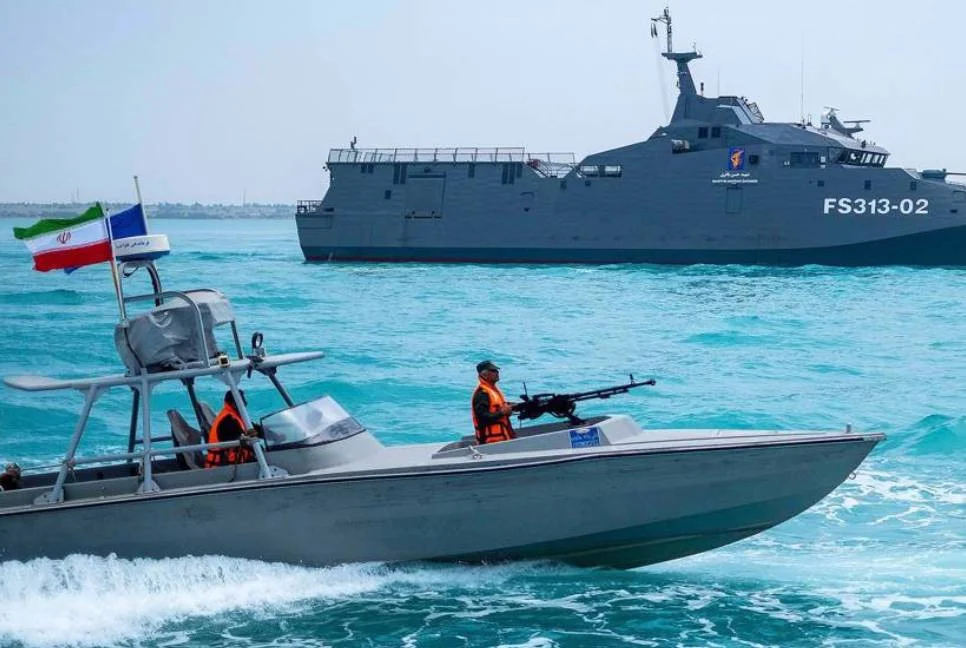
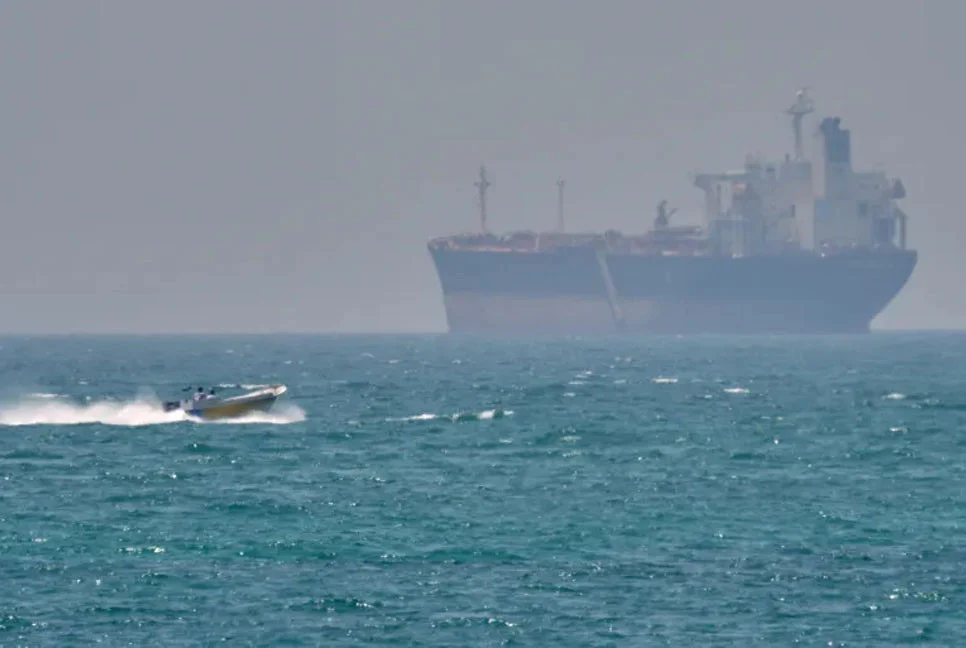
The Strait of Hormuz, a key shipping route in the Gulf region, handles about one-third of the world’s fertiliser supply.
Any long delay in the movement of these products could severely affect farming in many countries that depend on imported fertilisers to grow food.
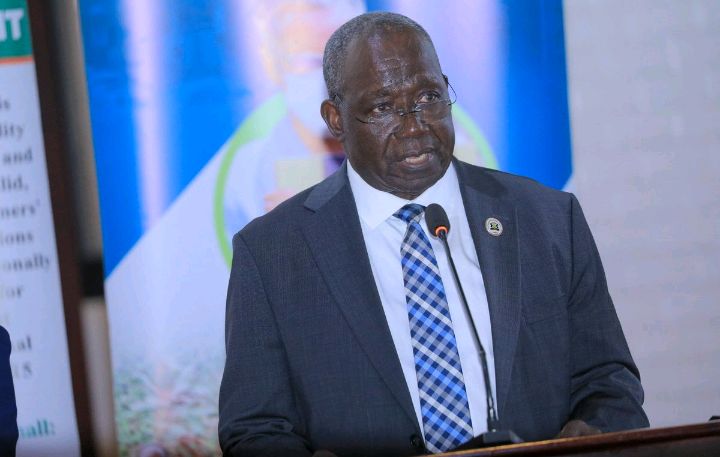
Jorge Moreira da Silva, who leads a United Nations task force working to prevent a humanitarian disaster, said the world is entering a critical period.
According to him, the next few weeks will determine whether countries can avoid a major food crisis.
“We have a few weeks ahead of us to prevent what will likely be a massive humanitarian crisis,” he said during an interview with AFP news agency.
He warned that if the supply problem continues, nearly 45 million more people could fall into hunger and starvation.
Farmers in many developing nations are already struggling with high production costs, climate challenges and unstable food prices. Without fertilisers, crop production could drop sharply, leaving millions of families without enough food.
Experts say fertilisers are essential for modern agriculture because they help crops grow faster and produce better harvests. When supplies are disrupted, food production often falls, leading to shortages and higher prices in markets around the world.
Countries in Africa, Asia and parts of Latin America are expected to feel the impact most because many of them rely heavily on imported fertilisers to support farming.
The UN task force is now calling for urgent international cooperation to ensure fertiliser shipments can continue moving safely through the Strait of Hormuz before the situation develops into a wider humanitarian emergency.