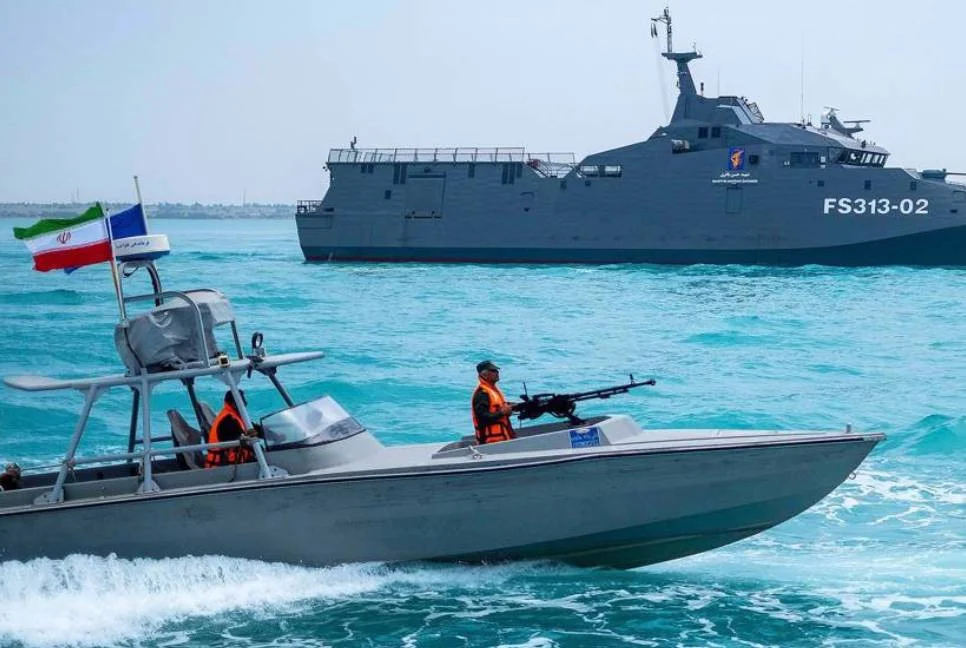
Speaking during a televised interview, Mohammad Akbarzadeh, the political deputy of the Islamic Revolution Guards Corps (IRGC) Navy, said Iran views the Strait of Hormuz as more than just a geographical passage, describing it as a key strategic area under Tehran’s powerful influence.
“The guardians of the Strait of Hormuz have demonstrated that this strait is powerfully controlled by the Islamic Republic of Iran,” Akbarzadeh said.
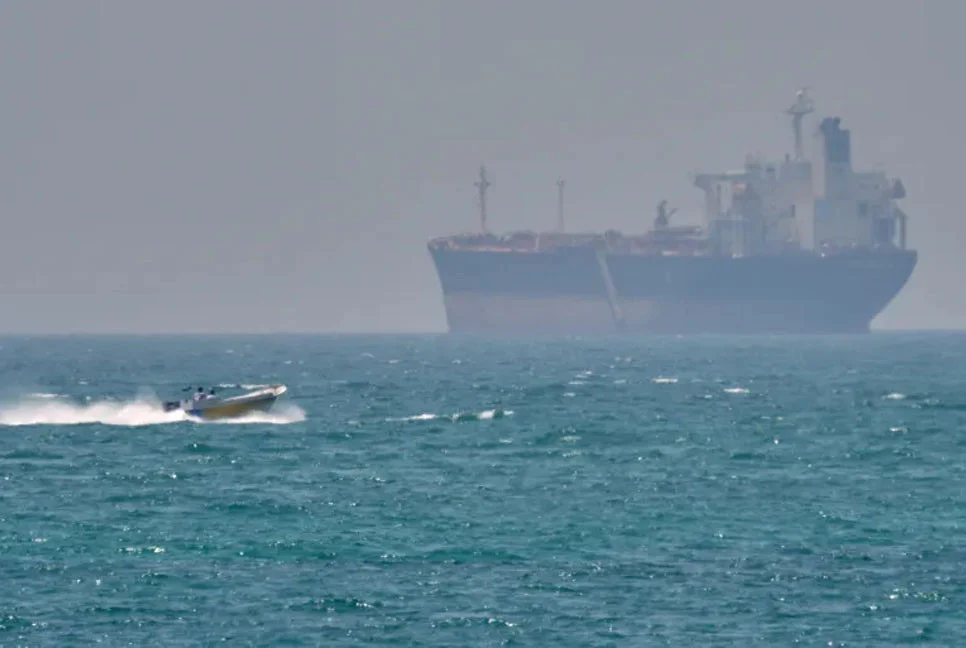
The Strait of Hormuz is one of the world’s most important oil shipping routes, with a large share of global energy supplies passing through the narrow waterway every day. Any threat or tension around the strait often sparks global concern over oil prices and regional security.
Akbarzadeh insisted that Iran has no conflict with ordinary people around the world, saying Tehran’s problem lies with governments that he accused of maintaining hostile policies against Iran.
He claimed some countries wrongly portray Iran as a threat seeking regional domination, adding that such accusations have created what he called a “false image” of the Islamic Republic.
The IRGC Navy official also defended Iran’s role in regional trade and maritime security, saying the country has helped ensure safe passage for ships traveling through its waters including vessels belonging to nations considered hostile to Tehran.
“In some cases, ships from hostile countries were escorted safely by Iranian forces free of charge,” he stated.
However, Akbarzadeh warned that Iran’s approach toward the Strait of Hormuz is changing as regional tensions increase.
“We were looking for peace and security in the region, but today the conditions have changed and new policies are being implemented regarding the Strait of Hormuz, the results of which the world will see,” he said.
He added that Iran is closely monitoring all military and political movements in the region and would firmly protect its territorial waters and national interests.
The comments come amid growing tensions in the Middle East and increasing concerns about the security of global energy supplies passing through the strategic waterway.