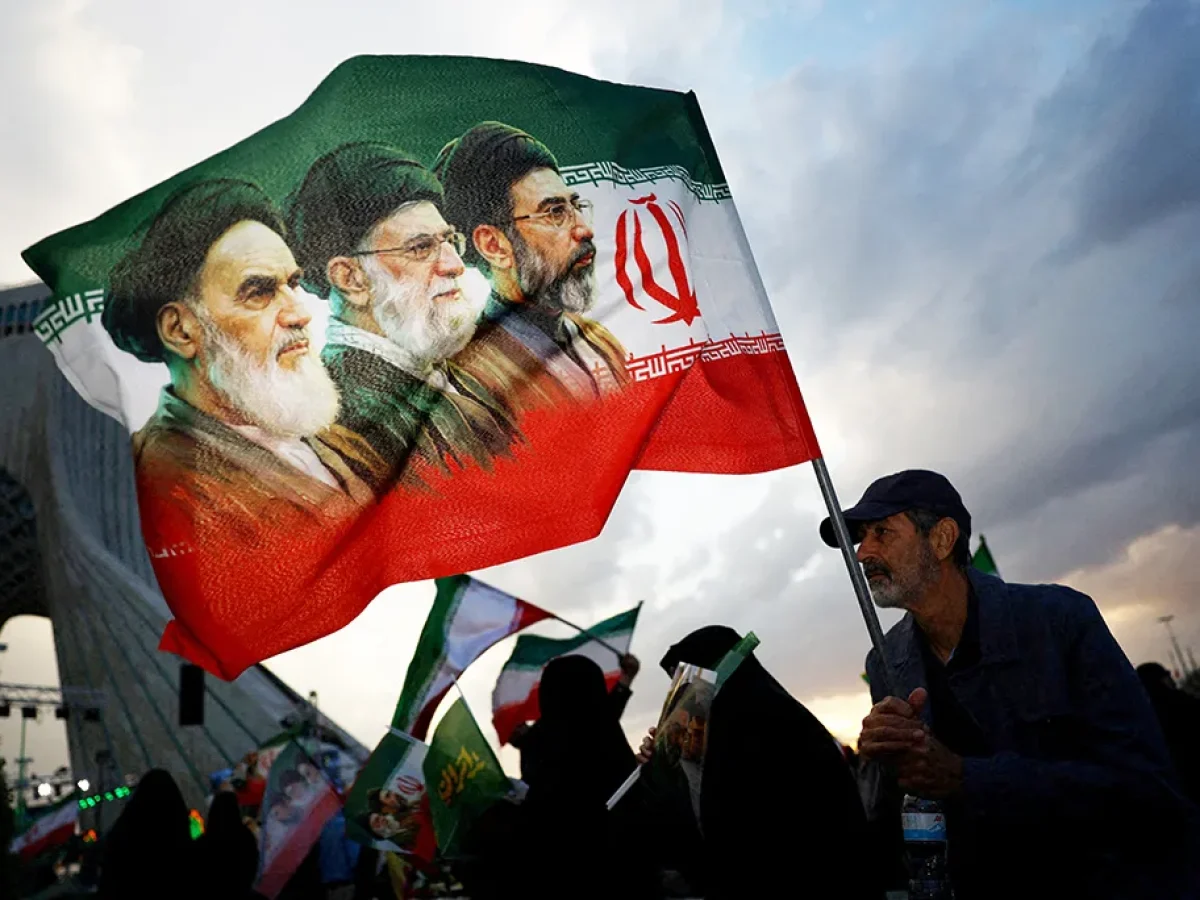
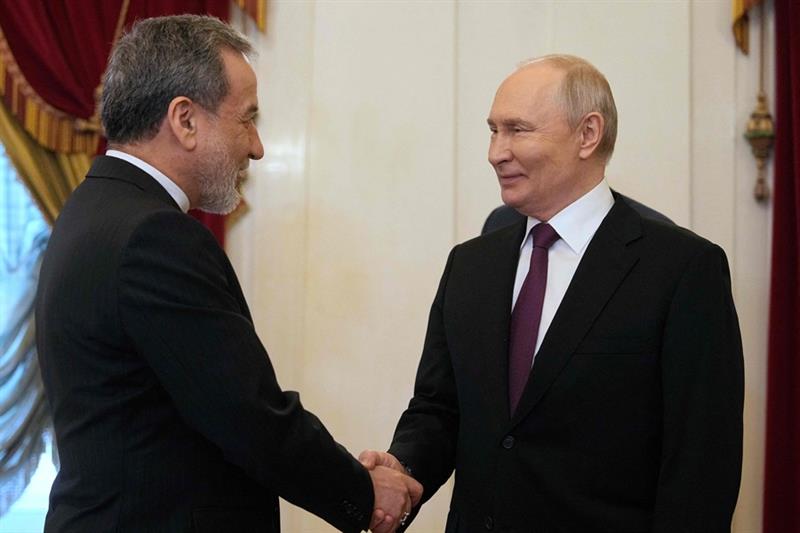
Iran’s President Masoud Pezeshkian has issued a strong warning to the United States, saying any attempt to block Iranian ports is “doomed to failure,” as tensions between the two countries continue to grow.
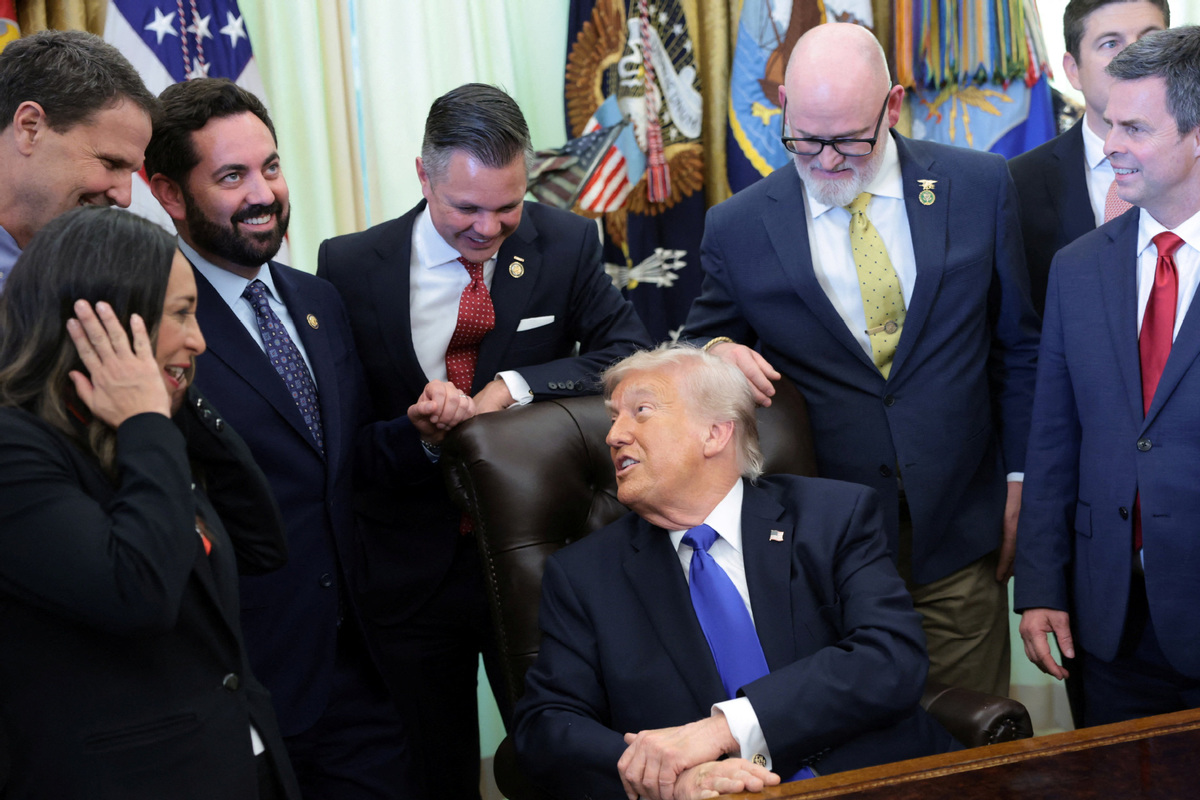
The warning comes amid reports that US President Donald Trump is considering extending a naval blockade as a way to pressure Iran back into negotiations. According to CNN, Washington sees economic and military pressure as its strongest tool to bring Tehran to the table.
At the center of the crisis is the Strait of Hormuz one of the world’s most important oil routes. Iran has effectively shut down the waterway, sending shockwaves through global energy markets and raising fears of rising fuel prices worldwide.
Inside Iran, the situation is becoming more difficult.
Unemployment is rising, and the national currency is losing value. This has increased pressure on the government at a time when tensions abroad are also intensifying.
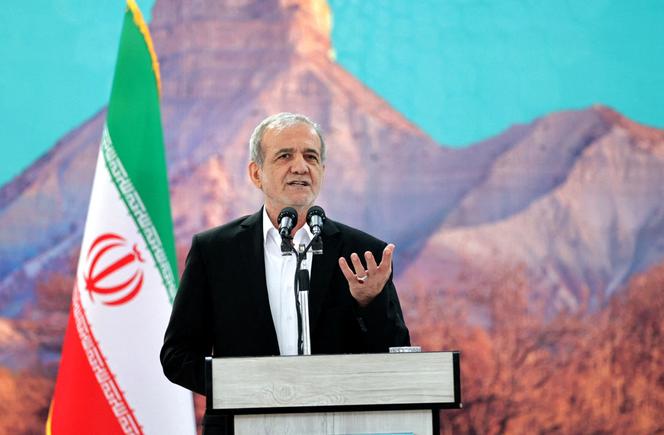
Speaking during National Persian Gulf Day, President Pezeshkian used strong language to defend Iran’s position. The day marks the historic removal of Portuguese forces from the Strait of Hormuz in the 17th century a symbol, he said, of Iran’s long-standing resistance against foreign control.
“The Strait of Hormuz is not just a waterway,” Pezeshkian said. “It represents the strength and resistance of the Iranian people. ”
His comments were echoed by Mohsen Rezaei, a senior military adviser to Iran’s Supreme Leader, Mojtaba Khamenei. In a televised interview, Rezaei warned that Iran would take action if the US blockade continues.
“If the blockade continues, Iran will respond,” he said.
The exchange of warnings highlights the growing risk of further conflict. With global energy supplies at stake and both sides showing no signs of backing down, the situation remains uncertain and potentially dangerous.
Will pressure force negotiations, or push the region closer to confrontation? For now, the world watches closely.